Listen above to this podcast by clicking the play arrow above or alternatively click below…
What if the alternative to capitalism’s excesses isn’t revolution—but quiet reinvention?
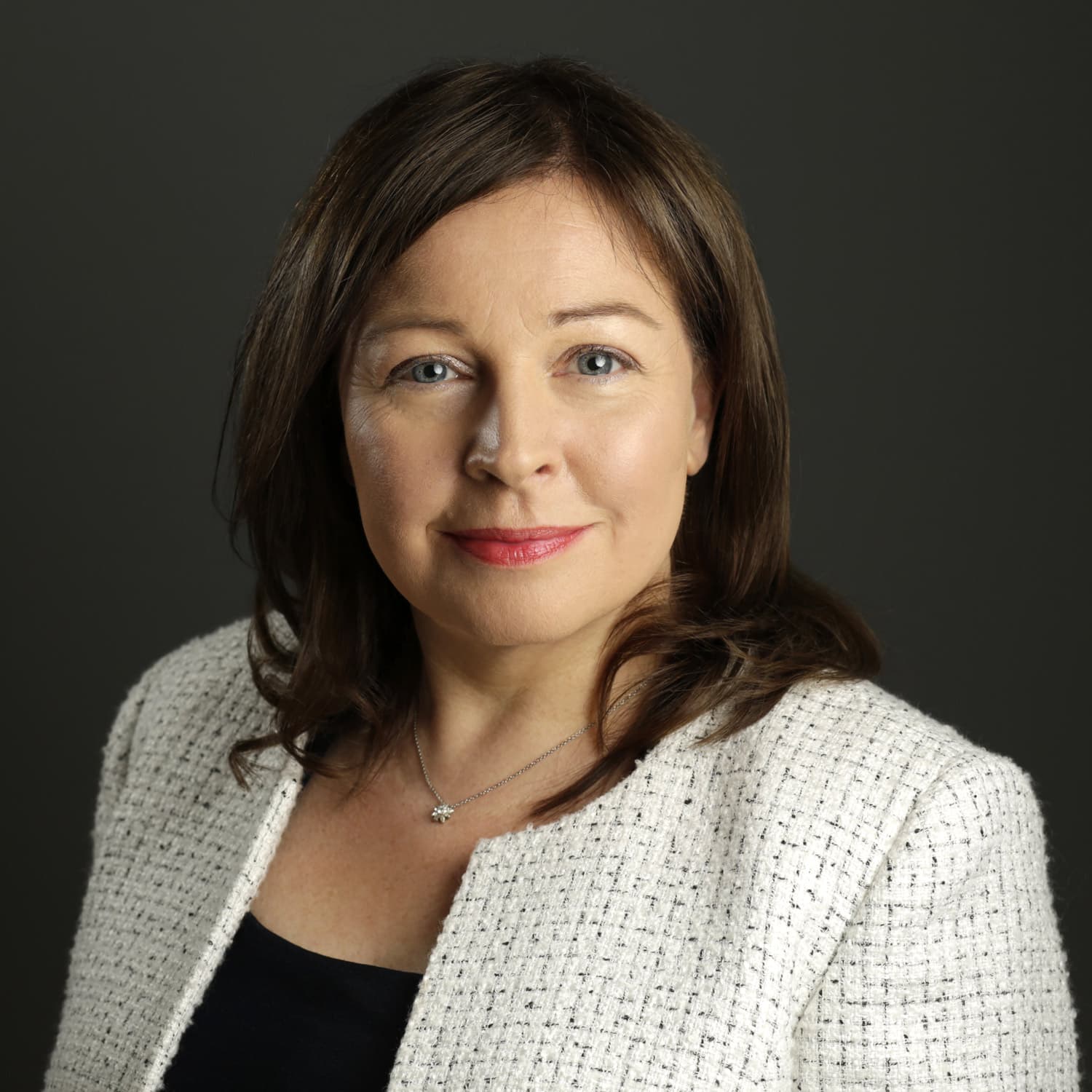
In this episode I’m joined by Claire Costello, Chief People & Inclusion Officer at Co-op Group. We explore how Co-op’s values-led, member-owned structure creates a different kind of leadership. One that’s attuned, distributed, and accountable.
Claire describes how Co-op’s flexible executive structure, enterprise-wide mindset, and strong connection to its 6 million members foster leadership that is both commercially astute and socially responsible.
Claire joined the Co-op in 2019 as Chief Procurement officer and moved to her current role as Chief People and Inclusion Officer at the Co-operative Group in 2022.
Her team works across 3 core areas: setting and delivering the strategy for Reward, Wellbeing, Employee Relations, Inclusion, Skills, Colleague proposition and Leadership development; supporting the strategic people challenges across a diverse set of business areas; and delivering a pensions proposition to 54,000 colleagues and 30,000 pensioners.
Claire is also on the Board of Co-op Academies Trust as a Trustee.
Jacqueline Conway 00:00
Ah, so after many technical challenges, clear, welcome to the podcast, and thanks so much for bearing with me on all of that, appreciated. So yeah, we’re here to talk about you. We’ve got, we know some of the things that we’re going to talk about, but it would be great, first off, if you could just start by introducing yourself and seeing a little bit about who you are and what your role at Co Op is.
Claire Costello 00:28
Well, first of all, thank you so much for having me. I’m Claire Costello. I’m the chief people and inclusion officer at Co Op group. I’ve been in this role nearly three years. Actually, I can’t believe it’s flown by. Joined the co op in 2019 as chief procurement officer, moved over into the people role, as I say, 2022 summer. Ish, I have a wonderful team. We break into three sections, which is pensions team, who do all things pensions, very technical, but look after our current colleagues and the colleagues that have left the business, we have our people delivery team, who are the folks who support on change, people partnering, helping to make sure that anything that impacts our colleague footprint is being looked at and thought about from a colleague and a people perspective, and actually also there to help the business land their strategies, and the people team to land the people strategies that we’ve got looking after just over 53,000 colleagues. So they have a big old footprint across stores, depots, funeral home, legal services and, of course, support centres. And then we also have our colleague, culture, Experience team, who have everything else. So that’s reward leadership, learning and development, our social mobility and inclusion, you know, our skills and future skills environment. So, yeah, quite a broad footprint. Really,
Jacqueline Conway 01:54
lovely. Okay, and it would be great for the listeners to hear a little bit about your kind of circuitous journey into the role that you know, because so many people come up to the CPO role straight from HR, you know, they’ve been an HR person their entire career. But of course, your journey has been quite different from that, and I think that it gives you quite a unique perspective. And I want to kind of come back to that unique perspective a bit more in our conversation, but it would be great for you to tell us a bit about how you got to where you are now.
Claire Costello 02:33
Yeah, I know. And when we when we spoke briefly before I was laughing, wasn’t I that my friends have always gone? Oh, interesting move when I took, when I took the change in role. So I actually started my career in finance, many, many, many moons ago, feeling quite old and ancient these days, was a management accountant. Worked in manufacturing for a couple of years, and then moved into retail and did a about six, seven years in finance, in retail, realised, after a career break, that I wanted to do something different, and moved into the world of procurement. And there’s a lot of natural alignment between finance and procurement, around working with third parties, understanding needs of the stakeholders in the business, being commercially minded, and obviously one being slightly more focused then into the delivery of the commercial being in a procurement role. So I always looked after everything that we call goods, not for resale. So everything that helps the organisation run. Did that for quite a few years, ran the team as to as as it was. Then moved to the co op in 2019 to be chief procurement officer again, running our goods not for resale team. So looking after all of all of the business in terms of everything that they need to run and buy their services. And that move then was affected really, in 2022 when we had a pretty wholesale leadership change. So Steve morels left, Shereen courier stepped up to be our CEO. Within that we had a few people who naturally said, well, actually, now’s the time for us to move on and do something different, because we have some changes. And so there was an opportunity, and because I’d worked for Shereen, not for the whole time, actually, that I’d been in the Co Op, but But before, and I was already reporting into that people footprint, she asked if I would be interested in, kind of holding the thought for a few months as we went through and settled the change, and I thought, well, you know, why not? We are going through a lot of change. It would be really helpful to have somebody in there who knows the business, knows my peer group, understand some of those other objectives that they’re working to, beyond the core people challenges that we’ve got, and actually go in as someone who’s typically been on the receiving end as a leader, you know, in terms of things that are being landed. And then when she became permanent, she asked me the question as to whether I wanted to so it was a bit of well, if you’re going to do it, why wouldn’t I? Because by that point, think I’d caught the bug a little bit, and I realised that the. Was an awful lot that we could do in that space. And really felt from the work that I was doing with my team at the time, that having somebody lead the area who hadn’t grown up in that space but had always had an interest in people and in change management was something that was a value to them, because I did come from the basis of, if you don’t think I’m helping you, then I’m helping you, then I’m happy to go back to procurement. But if you think I’m doing something of value, then I’ll then I’ll stay put. So I stay put on here I am Three years later, and I even describe myself as a people person these days. So yeah, I’m properly ingrained in the role.
Jacqueline Conway 05:34
Fantastic. What’s really interesting about that is that, I mean, some organisations do that as a matter of course for talent coming up and through, don’t you? It’s the it’s the classic, non obvious move where someone has come up through one route and they put them in the different positions in order to broaden their experience out, anticipating that this person then might move into a C suite role, and at that point, we’ll have a breadth of perspective which is completely helpful at that sort of level. And I mean, is that something that you more generally do at Co Op, or is that something that you see the value in and would consider doing?
Claire Costello 06:21
I wouldn’t say that we purposefully do it for every colleague, but we do have a mechanism that we call our people, our talent, where we’re talking about our senior leaders and what they need from an experience point of view. And it isn’t always a complete shift in role, although it can be, but I think it is exposure to broader experiences. And I think that’s the piece that we’ve recognised and that we overtly try to support when I when I think about the change curve, for example, that that I went through from going into the people space, there were a lot of things that were very similar, because actually, at that level, you’re an enterprise leader, not just a functional leader. So a lot of things that accountabilities, that you bring with you, that you’re used to managing. There are a lot of experiences and skills for any leader at that level that are completely transferable, and we all forget about but actually, from procurement to people, it isn’t as odd as it might sound, in that you are working with the whole organisation, you’ve got to understand the challenges, the objectives, the strategies that they’re looking to deploy. You’re just taking a different lens on it, rather than thinking about it from the third parties that might be working with you’re now looking at it from the colleagues within our own organisation that are there to deliver and support the plans and the strategies that they’ve got. So a lot of the how do I help you get to the right space type skill set? How do I help you join the dots of the impact of that outside of your silo, because you’re responsible for your space, and you’re not necessarily going to think about everybody else’s How do I help you understand some of the risks and the opportunities? How do I make sure we’re bringing the right people into the conversation? Those skills are the same, absolutely the same. You’re just looking at it from a colleague point of view, as opposed to a supplier point of view. When I used to talk about suppliers as a hire to retire process, and all of a sudden you back into the people space, and it’s hired to retire. So there are a lot of things that you that you bring in into that so from a talent point of view, and looking at our other colleagues, yes, absolutely, we do, and we do overtly kind of talk about, what are the skills that they need today, and what might they need to develop? Where are the gaps that we can see? And it isn’t always technical, it’s quite often behavioural. How are you helping them to grow more depth, more confidence, more understanding. And, you know, I think we’ve said it before we were chatting, but that enterprise lens, how do we help them step out of the pure area that they’ve grown up in, to be more confident in that sense of when you work for a group, you know, as we’ve got a number of different business areas, you’ve got to be in it to win it together. It can’t be at the expense of each other, you know. So there are times when one of you is potentially going to have to say that’s really important to me, but I can see that this is more important to us as a group. So okay, I realise that my priority will come second this time, and you only get that by enabling people to have those experiences and that exposure. Yeah,
Jacqueline Conway 09:23
yeah. I mean, I couldn’t agree more. I think it’s so vitally important. One of the times I see in senior teams where that doesn’t work so well, when you know that perhaps there’s more of a functional than an enterprise focus is if it’s budget round time. And there’s a sort of typical bun fight for resources and and rather than the conversation being elevated to kind of what’s right, kind of across the organisation at this juncture in this financial year, you know, it’s, it’s more of a sort of people are. Trying to get the best for their own function. And I think that that’s a telltale sign of actually something that’s kind of missing at the top table. When I see that happening, that’s to say that people don’t also want to be able to do the things within their function that they want to do. But yeah,
Claire Costello 10:19
it needs to be an and doesn’t it? And I’m thinking about, yeah,
Jacqueline Conway 10:23
yeah, yeah, absolutely, absolutely, and so let’s stay on that kind of enterprise focus. Because some executive teams, you know, it doesn’t go without I think you and I have had a meeting of minds on that, that good executive teams hold the functional responsibilities and their enterprise responsibilities in this dynamic balance. They can’t do one without the other, and what the ratio is is very unique to the particular organisation, but that that being able to do both is vitally important in the best forming executive teams, but you’ve got so I’m keen to know a little bit about you know, what that looks like at Co Op, and how do you ensure that the that’s what the focus is. I mean, I think one of the things that’s really interesting about Chief People officers, the cop. The reason I really like having these conversations with people like yourself is that you have this, you’re in this unique position where you have both have responsibility for developing the capacities at the C suite, and you’re in it yourself. So it’s the one place where you’re kind of, you got skin, really, in the game, as it were. So what’s, what’s your take on all of that?
Claire Costello 11:46
So we’ve, we took a decision. I say we taken zero credit for it, because it was actually Shereen decision, looking at, well, first of all, she listened to the senior leaders that were around the table and worked out that some of the challenges that we were facing was because we were incredibly siloed, and it was those enabling teams that cut across that were able to really bring out the examples to show you know, this is where actually we’re competing and not fighting externally. We should be looking after each other, and I don’t mean that quite as callously as it sounds, but we weren’t helping each other in the way that we should have been. So when, when we restructured, we had, I think it was 15 people around the table, and we’ve kept relatively flexible. So one thing we’ve done, which is quite different to a lot of businesses, if we have, is we haven’t said, Oh, this is the exec, and it’s these six people, and it’s these six roles. What we’ve said is these are the roles which are impacting the most colleagues, the most spend the most part of our plan for this year, these initiatives, or this part of the strategy. And yes, you’ve got your classic core roles that you would expect to be around the table. So you’ve got your CFO, you’ve got your business MDs, you’ve got your chief people officer, you’ve got your chief member and community officer on that, you know. So there’s some roles that you would always expect to be there that work, but there’s other roles that we’ve that we’ve brought in and then moved off, you know, as and when we’ve needed. So we currently have what we call our operating board. There were 12 of us on there, so we’ve just done a recent shuffle, but what we’ve done instead is we’ve now stood up a monthly meeting where we’re all of our we call them work level twos, but it’s our, you know, really large senior roles. There’s 27 roles in the organisation. So as you can see, off what 53,000 colleagues actually topped here. And we bring those together on a monthly basis to go through the performance, the operations, the big projects and strategic initiatives that we’re working to. So I think first and foremost, it was breaking down that silo. Next, it was ensuring that we all understood each other’s business areas, and that we could speak to those with a level of fluency with our own colleagues to start breaking down the well they’ve done and we’ve done, and how do we to move it into well, how can we and what do you understand, and what’s their priority? And why is that a challenge? Okay, well, what do we need to do differently? Because it was, it was kind of helping us to just remove some of the glue and to get people to work that bit better together. But it also does massively helped from that C suite talent point of view, because you then start to see who’s got an appetite and an interest in different areas, and we have moved people around so you know, that’s been quite good. And definitely from starting to understand the next layer down, and how they are reporting into some of those different spaces, how they may potentially want to move across into different areas as well. So it’s been, as you say, you know, being in that very fortunate position of being in it, but also wanting to drive it. For me, it’s been especially helpful because it means that I’m I am able to see those conversations, and I can see how they are filtering down in. To all of our direct reports, and therefore what we need to do for for the kind of our work, level three, which is our typically, our heads off, and director roles to help them figure out, okay, well, how are we actually leading this organisation, and what are the steps that we need to do, and what do we need to do differently? Also means that you’ve got first hand site of where the stresses are starting to show, and you can lean in much quicker to kind of figure out what’s going on and help navigate and where you may be getting some bumps. Because, you know, even in the best organisations, people are bumping up against each other, and if they’re not, we’re probably not doing our jobs properly. For being honest, you’ve got to have a little bit healthy conflict, you know, to make sure that we are pushing against the right priorities at the right pace.
Jacqueline Conway 15:47
I’d like to come back to both of those points, the stresses point. I’ll come back in a minute, but I just want to clarify then. So, so you’ve got this operating board, and it’s 12, and then you’ve got an additional 27 at the next No,
Claire Costello 16:00
it’s, it’s part of that 27 so, yeah,
Jacqueline Conway 16:04
and so of the So, so then people are then moved in and out of the operating board. So the operating board flexes in size depending on the subjects that are being grappled with at the top level.
Claire Costello 16:20
Yeah, and not from a week by week basis, more from a How is it sitting with the plan or the strategy? So who are we going to need for the next six months? So there’s always going to be a core, but who do we need for the next six months, just to make sure that we’re really driving at pace? So a really good example is Matt hood, leads our food business team. He has Kate Cray, who leads the store operations. She joined up board for, I think it was just under a year, because there was a lot going on across the stores, and it just made it quicker, faster, more convenient for Kate to be in there and understand the conversations and the context and for her to share back. So that’s a really good example of, you know, where it makes sense to flex in and flex out once you’ve once you’ve got some things established. So the focus for us is very much on, you know, where are we against the strategy that we’ve set and what’s the best way for us to get to decisions, forward thinking, problem solving, door opening, you know, because at the end of the day, isn’t delivered by us, is it is delivered by our team. So how are we helping them get to those that successful delivery as quickly as possible? Yeah,
Jacqueline Conway 17:32
in Walden growth, we call something like that. It, because it’s a bit of a paradox, isn’t it, that there is structure and there’s also flexibility. And so, you know, I imagine it’s definitely, we call it structural flexibility, that you know you can bend and flex to that. So that’s the upside of it. You’re clearly getting the upside you’re describing that. But one of the other things that I’ve seen in organisations who whether they’re trying to do something like that or not, when there’s any lack of clarity at all about who’s in and who’s not in invariably, that can cause a lot of noise, because people do want to be in the top team and so, and I’m not suggesting for a moment that this is happening in Co Op. I’m kind of curious as to your experience of the jockeying for position, the kind of the noise that it creates the Oh, I thought it would be my turn now, and it’s not. And and that the downside of flu, of structural flexibility, is actually that it can create all of that kind of distraction. I mean, is that something that you’ve experienced, and what do you do to mitigate against that kind of the human nature aspect, yeah,
Claire Costello 18:42
and it is, it is a very valid question. So we were very conscious of the human behaviour going into the structures that we’ve set up. And I think the reality is, it relies on a level of maturity. It relies on honest conversation, it relies on consistency, and it does actually rely on it being inclusive and not exclusive. So we were for the example of where we had 18 people on for a period of time, they were of different seniority. So that helps break the cycle of, oh, well, you know, your top tier, and you’re going to be x if you’re on there, and therefore it’s your turn. Well, actually, if you’ve got people who are for different seniority on there, then that breaks that, that legacy of, it’s a pseudo exec, you know, it’s, it’s senior leaders. It’s not necessarily the most senior leader, it’s the people that are needed at that time. So you know, I will use my team as an example of my direct reports at one point in time. One of my direct reports was in the meeting, but he was less senior in terms of that hierarchy than two of my other direct reports. And we just talked about, you. Know the why of of him being on, on there, and what we were trying to do, that’s the piece around having that honest conversation and then ensuring that your own functional leadership teams are driving the best out of it. Because the whole point of having the people on there, in the OP board, in that conversation is that we are getting to the results quicker. And if we’re not, it’s not doing what it needs to do. So you’re right. It absolutely is, but it does rely on having those very clear guardrails as to what we’re there to do. And the other thing that we’ve that we were very clear about is that the people who are presenting are in the room, isn’t isn’t you as an OP board member that does the presentation and takes, you know, going back to the human behaviour, takes the credit and all of that, no your your your team, or the individual that needs to come and speak to that piece of work, or that ask, or you know, that piece of information that they need to make you aware of, comes in and does that and does that on their own behalf. You’re there to sponsor it, but you’re not there to deliver it on their behalf. So actually, although you’ve got the regular attendees who are sitting there, there’s a suite of people that are coming in at any point in time to come and share what they need to come and share. And I think the final bit, for me is, is a double edged sword, really, when your CEO is incredibly approachable, but Shereen is very open and very approachable. Actually. Do you know what I think we all are? I’m going to say that, aren’t I, but I would hope we are, you know, I think, I think we all are. So, you know, really, that that there’s a way of working, which means that it, it just doesn’t become as much as a problem. Well, there have been some people that probably went, Oh, I feel a bit myth that I’m not on there. Or I think actually, with the size of my role, I probably should be. Of course, there will have been, because that’s human behaviour. But has it ever really impacted the work? I don’t think so, and I think it would have been nipped in the bud quite quickly. Okay, good.
Jacqueline Conway 21:54
Let me ask then go back to the stresses piece, because you mentioned so there’s an antennae up in the organisation to spot the inevitable stresses that happen in every organisation. Can you say a bit more about that, and how you how you look out for that, and what your kind of early warning system is for that?
Claire Costello 22:16
Well, I’ll start with saying that retail, funeral, care, insurance, legal services, we’ve not picked the stress free industries, and certainly retail in in Britain, you know, it’s one of the most competitive markets in the world. So having spent my life, well, most of my working career in retail, you know, I thought, and having worked with a very international organisation before. I’m very confident that the stresses here are much higher than in some other retail organisations around the world. Not that I’m envious of that. So we have a few spaces that we work in. One is clearly, I can observe the leaders that I’m working with, and I have one to ones with all of my peers. I’ve got a really strong relationship with them. So typically, if something is happening, someone will reach out and talk to me. I will also check in with people personally to make sure that, you know, I’m hearing what’s on their mind and our pressure test as well. You know, how’s it going between you and search. Because this piece of work is, you know, quite difficult, isn’t it? So there’s that piece, then, in terms of our partnering roles. So I mentioned that we have the people delivery team who are classic strategic business partners. They will be working with all of the senior leaders themselves. They have those one to ones, and again, they have really good, transparent, honest relationships that work really hard to get that candid partnering relationship that is so important, so that you can be trusted and you can give that honest feedback sometimes when people don’t always want to hear it, but in a you know, it comes from a place of of wanting them to be the best that they can be. But that filters its way back to me as well. So I’ve got sight of that. Obviously I get feedback directly from CEOs, from Shereen, in terms of what she’s seeing, seeing, feeling, hearing in her one to ones that she’s having with her report. So there’s a number of spaces which are informal that come back and then, just from a pulse point of view, outside of the leadership footprint, we do have a colleague engagement process. We have a very strong colleague voice network. We also have really strong colleague networks across our inclusion footprint, so they are definitely not shy in coming forward with telling you where there are stresses, strains, or things that you need to be aware of. And again, I feel genuinely, feel really fortunate and very honoured to be part of that. Colleague, voice, quarterly, national colleague. Voice, where we get, you know, the big download that they are very candid and that, you know, they will give us really honest feedback, but to such an extent that they won’t hesitate in one of the two of them to. Coming to me directly and saying, I just need to let you know. Or can I ask you? Well, this is what it’s feeling like in my area. So it doesn’t just come from the leadership footprint. It comes from the ground swell up, and it takes time to get to that place. We’ve got a really, really good insight team that have built a very good network up across that space. So they will also feedback in terms of what they’re hearing, if there’s things that we need to be aware of, just so that we stay close to what actually happening on the ground. And I think we’ve done that by being honest about the things that we can’t do as much as we’re honest about the things that we can. We don’t always get it right. You know, we’re not perfect. There’s a lot of things where I’m sure over the years we’ve gone on, we probably should have done that differently. But I think the critical piece is the intent is right. And I think that’s, that’s the bit that people realise that, you know, everyone will make a mistake, and you won’t always get all of your communications right, but the intent, the intent, comes from the right place,
Jacqueline Conway 25:55
yeah. And I guess one of the things you’re known for, in fact, I was, I was having a meeting with a client in Edinburgh this morning, and I was like, right, I need to get back to my desk because I’m interviewing you from Co Op today. And they said exactly what has always been on my mind. Oh, Co Op, they’re really values laid so, you know, so, so, I mean, you are known for as a member organisation, for being values led, I guess, what you’re talking about there, a lot of what you’re talking about there is the way that the values are, whether it’s subtly or not subtly, underpinning the way that you are internally. And of course, that manifests itself hugely the way that you are in the world, customer facing. I mean, do you want to say a bit about how, because you and I had a conversation about values, you know? And it’s not a kind of straightforward, it’s not fluffy bunny, you know, there’s, there’s a kind of sharpness to it as well, but for the right reasons. I mean, do you want to say a bit about that? Yeah,
Claire Costello 27:00
absolutely. You know, we’re 180 year old member owned organisation. You know, we don’t have shareholders. We have members. And you know, they are very clear on what they think is acceptable in terms of a way to run an organisation. We have committees. We have 100 strong member council who are there to represent the just over 6 million members that we’ve got and then, and the committee hasn’t they have a number of committees, one of which is people and communities. So I get the opportunity, proper British word there isn’t it, to meet with the committee and share with our board. I mean, they’re there to hold the board to account, as opposed to us, who are the operating board, but we’re there to support our board members, and they will regularly ask me questions about, How are we ensuring that our colleagues understand what it means to be a member and organisation? How are we showing that our colleagues understand what our social value proposition is? How are they really ensuring that we do what we need to do to understand fair trade? What does it mean to run a fee or care business when you’re a co op? So the the the members through that council are very interested and very clear on what it means. And obviously, being a cooperative, have, you have a set of cooperative principles that you work to as well, which is standard, and you know, they’re managed through Co Co Ops, UK. But again, that plays a part in terms of an expectation of how a co op will operate, and over 180 years, it becomes part of your DNA. So you’re absolutely right. I think we have to be really careful to make sure that it isn’t taken for granted or lost. You know that that’s the bit for me around legacy. And we first this year, we’ve just done a refresh of our leadership behaviours. So we’ve kept them really simple, but the one I’m going to call out is we’ve put one that says cooperation, which sounds warm and fluffy, and, you know, we’re all nice, and we’ll have a conversation, a bit of a chit chat, and we’re all going to agree, and everything no proper cooperation is absolutely facing into difficult conversations, being challenging, ensuring that you get into a good solution, but you don’t. You don’t do it to be aggressive. You are being thoughtful, you’re being respectful. Your your onus is to make sure that the solution that you’re getting to is the best solution that you can because this is members money. Everything that we spend is members money. So making sure that whatever you’re doing is is for the best interest of the community that you’re serving, the customer that you want to look after, and the member, ultimately, who who owns the organisation and wants us to look after them and their communities within those cooperative principles that we work within. So it says things like, you know, you will, you need to be thinking about this commercially as well as what it means from a community point of view. It’s not one or the other, it’s and in fact. Used to talk about this in my procurement days. You know, we want the best value, and we want that to be done in a way that delivers social value. So, you know this, and word becomes really, really important to us. So you’re right. Values are incredibly important, and they permeate through everything. And again, you know, the risk we have is that we’re seeing as being a little bit holier than now that, oh, it’s all wonderful, and they’re all really nice people at the co op. You know, we’re a commercial organisation, so, you know, make mo bones about it. We need to be commercially sustainable and commercially successful, and in that way, we will be here for another 180 years. But how we do it is really important.
Jacqueline Conway 30:41
I often think the ownership structure has a sort of quiet but really profound impact on the enablers and constrainers of an organisation. And I mean your experience is is obviously within Co Op, but you also have experience in different ownership structures. And I’m wondering if there’s any other things that kind of come up for you as as being kind of an obvious difference that a membership organisation is helpful for. I’ll tell you. The one I’m without wanting to put sort of words in your mouth, the one I’m thinking about in particular, and some of the other conversations I’ve had with people here on the podcast, particularly family owned businesses, is the kind of playing the long game. So you talked about being here for another 100 years, that that the capacity to lean into long term future and not be on a kind of quarterly, sort of strategic cycle. It’s one of the things. But I’m wondering, I mean, yeah,
Claire Costello 31:53
no, you’re, you’re absolutely right. There’s some things that are very different for us. So at the end of 2023 we wrote a strategy that took it out to 2030 you know, in my days of working for Asda and Walmart, you know, we were generally working on a three year plan, and, you know, the annual plan. So we absolutely have an annual plan that we work to. That’s the way in which you can, you know, have clarity of what you can to deliver on a step by step basis. But we’ve always got an eye to well, what does that mean to the future? How do we make sure that we’re not making decisions that are just in year and detrimental to that longer term plan? And what’s the balance? You know, whenever you’ve got that decision to make, what is the balance to delivering what you want to deliver in year versus what that impact could be for the longer term? So yeah, absolutely, it does it. Does give you and afford you that opportunity. There’s also challenges, though, because there’s a co op, you don’t have access to the same funding mechanisms that you know a PLC would get. So you know, there are always ups and downs in in all different structures. I think what we do have by being member owned and having that input and insight from them is it gives us a legitimacy in some of the spaces that they want us to be involved in. So, you know, the co op is also the reason why we’re seen as being quite values led because of some of the campaigns that we’ve been really heavily involved in and that we’ve led. So you know, the shop, shop workers legislation around making sure that you know that it’s really looked at properly, and ensure that they get treated in the right way. And landed in Scotland first. It’s coming through the the English and Welsh courts now. So you know, that was a campaign that the co op led and worked really hard with us. Door and other retailers got involved in before I joined. There was one on modern day slavery that the co op LED. We’re on. We’re talking now around, you know, cooperation, hate device, cooperation, unite. You know, we’ve got social mobility. These aren’t things that we sit as a, you know, set of senior leaders and go, Well, that would be really nice. Let’s get involved in that. You know, these are things that our members tell us are really important to them, and they feel that they fit within the cooperative principles. They feel that they fit within the guardrails of the industries that we work within, that they’re important to the communities that we sit in, because at the end of the day, we’re a majority convenience retailer and funeral homes is such a big part of making sure you’re looking at the communities that you work in as well. So you know, that’s such a big part of how we operate, that the meant that our member base want us to make sure that we’re doing things that are supporting the communities that they that they’re living in, and that they’re supporting as well. So it’s the legitimacy that it gives to some of that activity as well enables us to have those proof points that that give you a validity in the conversation that you’re having that other organisations don’t always have, and sometimes, you know, they can, they can be having a discussion, and it’s almost like, well, you know, how dare you come and speak to me about dot, dot, dot. And I always feel for them, because actually, again, the intent comes with the right but they come with the right intent. But we’ve got more of an opportunity sometimes in those spaces, because we’re a member, owner. Organisation, and we’re being asked to put some of our resources and our experience into those spaces, not always to do, but quite often, to open the door, to educate, to lead, to talk to to elevate.
Jacqueline Conway 35:12
So when I think about that, and I think, well, that provides you both challenges. You know, because, of course, you have to be attuned to that. You have to be listening. And if they are asking for things that are difficult to deliver, you still have to find a way to deliver it. So, so it’s not that you’re not constrained. But then I’m also thinking about the way that other organisations are constrained at the moment, and then in particular, because we’re we were talking about kind of social value and things like that was, and I say this with sympathy for organisations that are have different stakeholder needs, where, particularly in the States, with dei and things where they then, there’s a political game with a capital P that has to be navigated under those sorts of circumstances. And, and I guess what I’m sort of understanding for the first time is that in some ways, you’re ameliorated from that, because you’re responding to your members, but it does mean that you have to be very attuned to members and, and that’s where your that’s where your focus is, even if, even if, meeting their needs is not always easy, absolutely.
Claire Costello 36:27
And you know, they they put motions through to the AGM, we can’t always fulfil all of the asks that they’re after. Sometimes it could be something where it just isn’t practical, it isn’t affordable. Isn’t affordable today, but you can get on a journey so it so you’ll take the stepping stones towards it. You know, sometimes it’s more than a one year delivery. Sometimes it could be that, actually, the science tells us something different, because we may have a bit more expertise in a space than a lay person who’s got a passion for something. So, you know, it isn’t always that you can do everything that the member or a member or all members are asking for, but the point being is that we start from what is important to them, and how much of it can we do, and how do we explain what we can or what we can’t do, and how do we get onto the journey? So, you know, one of the asks for us to first to campaign on social mobility. Well, that’s a really good example. We can’t solve societal issues. So yes, of course, we’d love to solve for it, but that what that does, though, is make us go, Okay, well, we can’t fix the world, but what is our part in that on what can we do? So to your point, it does give us those challenges, but actually they’re the exciting ones. When you say, Okay, I get it, and I agree with it, right? So let’s start with what we can do now, and let’s start with what our campaign might look like, and let’s start with what we can do internally, and then let’s start with how our academies play a part in that, because we’re, you know, sponsor Academy trust as well 37 schools. So that’s a big, big space here as well. And how do we want to interact with government, whoever is in power at the time? What? What can we do about that? How do we actually activate our membership? We have 6 million members. That’s quite a powerful tool, you know. How do we activate that? Then, if that’s something that the members are telling us, how do we play that back to them to say, Well, if you would like to do that, this is how you can play your part and make it easy for them, because that’s the bit that they want us to do. So this is an issue that’s important to me. Use your expertise and help make it easier for me to make a difference in this space, and that’s a big part of the membership activation is helping them to do what they want to do,
Jacqueline Conway 38:45
and so as part of what is required at the very senior leadership level, and that attunement to the membership, I mean, I’m imagining that some people will be better at that than others. How important is that in all of your senior leaders,
Claire Costello 39:05
certainly going back to where we started, which is, you know, kind of like that operating board and the world over to our top 27 we we ensure that we call it on the road. We go out, you know, a few times a year with visiting stores, depots, funeral homes. We’re going to some of the community spaces that we’re supporting to understand where members money is going. But most of us will also be interacting with one part of our council in one way or another, be that through on other committees or supporting a board member with some of the work that they’re doing being part of the AGM. So we also, you know, have a really good insight team who are sharing with us on a regular basis what our membership insight is. So you know, are we all attuned? Well, yes, because we all because. See the data, we will go through the download as to, you know, what it feels like, what they’re asking for, what’s important to them, and the survey results that we’re seeing that are coming back. So it does form part of the decision making process, and kind of like that broader understanding. But you know, it’s not just passively receiving. There’s a lot of active activity that people crack on with, and in terms of all of their day jobs.
Jacqueline Conway 40:23
Great. Claire, thank you so much. I mean, I think we’ve covered quite a lot, and I could keep going, but I’m conscious of time, and I wonder if I could just ask you one last question, which is about, well, it’s really just to be curious and see what. What would you like us to know about leadership at the co op that I haven’t asked you and we haven’t covered all So, gosh, that’s really hard.
Claire Costello 40:53
I would want you to know that we know we’re still learning, because I think there’s a real risk that people put businesses on pedestals because they can see the good bits, and there is a lot of good. You know? I’ve just had a colleague go to a DNI conference and come back and and say, you know, it was great, but I didn’t learn anything new, because we’re doing all of that well, that’s a wonderful space to be. That’s really nice, especially selfishly, in our function, because that’s what we’re doing. But we also know that there’s an awful lot more for us to do, and that’s the bit for me that’s really important, which is, it doesn’t matter how good a leadership team is or how good an organisation is, there is always more to do. And I think any any leader who feels that they’ve reached, you know, the point of being perfect, or the point of being as good as they can be, probably ready for a move. So, yeah, I think we are really, really aware that there’s a lot and lots still for us to work on. There’s a lot still for us to keep fixing around processes. There’s a lot still for us to work on with colleagues, to make in their lives, you know, as productive as they can be when they’re at work, and as enjoyable as they can be when they’re at work. And that’s why we’re in it, isn’t it, really, because if it was easy, we’d have all done it and retired by now. So, you know, I think, I think for me, it’s the foundations are great, and we’ve got some really good spaces to move on from, but we don’t take it for granted, and we know that there’s a lot still to do.
Jacqueline Conway 42:23
Well. I wish you well in all of that. I mean, I am personally very aligned to co op values. I am a co op customer. I am a co op member, and, yeah, I really
Claire Costello 42:35
download your app, get your get your offers loaded.
Jacqueline Conway 42:39
I you know, I’m so grateful for this conversation. I think there’s so much in it, and they’re very there’s very exciting stuff that you’re doing. So I just, I wish you well in all of that.
Claire Costello 42:49
And, oh, thank you. And thank you so much for having me great stuff. Thanks.
Jacqueline Conway 42:53
So I’ll stop the record. Can I do that? Yeah, that was.
Subscribe to Waldencroft Podcasts…
What’s required from Executive Leaders has changed. Find out how executive leaders and executive teams can survive and thrive in our disrupted world. Interviews with CEOs and insights from Waldencroft’s Dr Jacqueline Conway.

By Jacqueline Conway…
Dr Jacqueline Conway works with CEOs and executive teams as they fully step into their collective enterprise-wide leadership, helping them transform their impact and effectiveness.
Jacqueline is Waldencroft’s Managing Director. Based in Edinburgh, she works globally with organisations facing disruption in the new world of work.